- info@bhargavihealthcare9.com
- 8-3-993/1/101, Prashnath Kuteer, Srinagar Colony-Hyderabad

Cervical Cancer Screening
- Home
- Cervical Cancer Screening
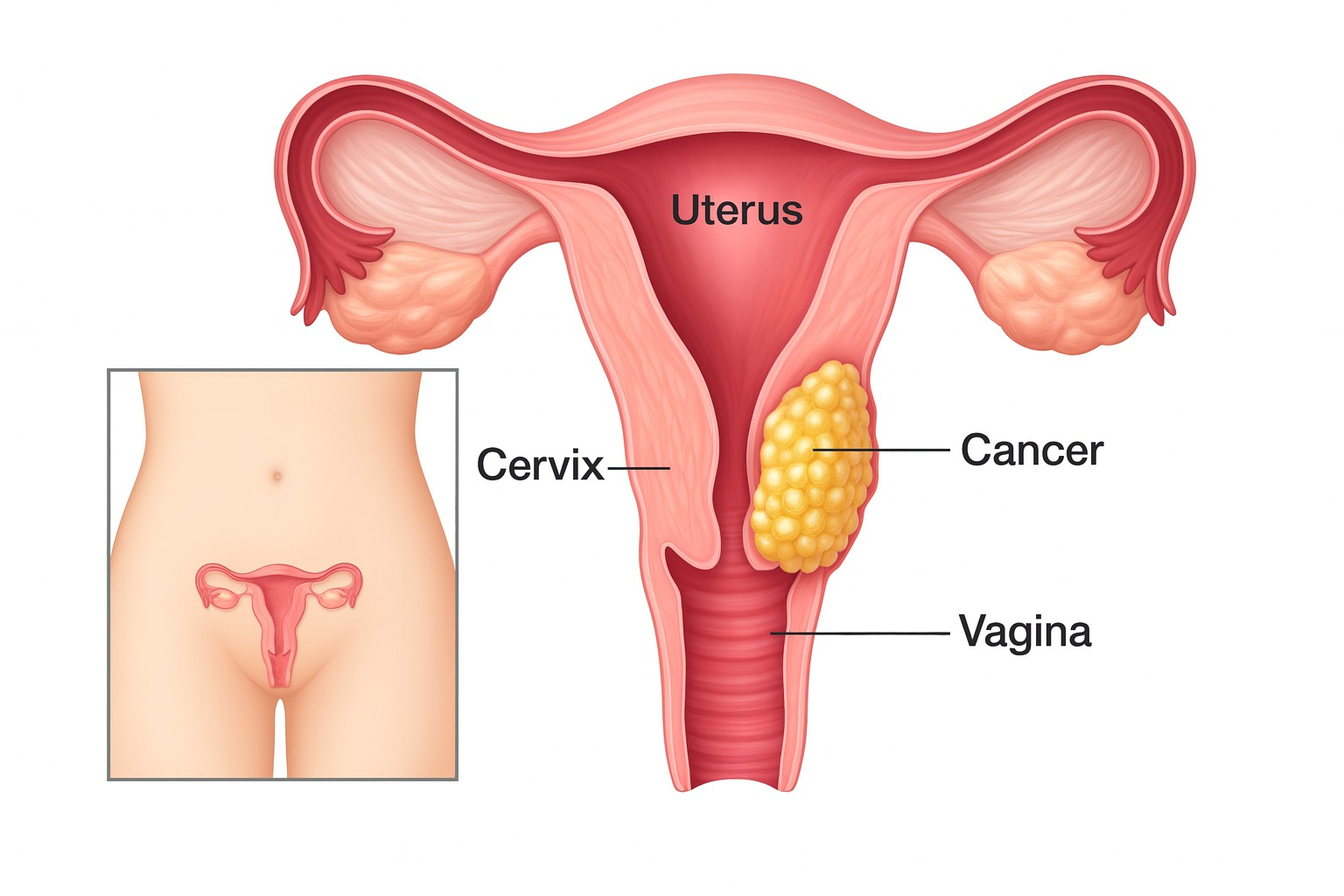
- Cervical cancer develops in a woman's cervix[ entrance to the uterus from vagina ]
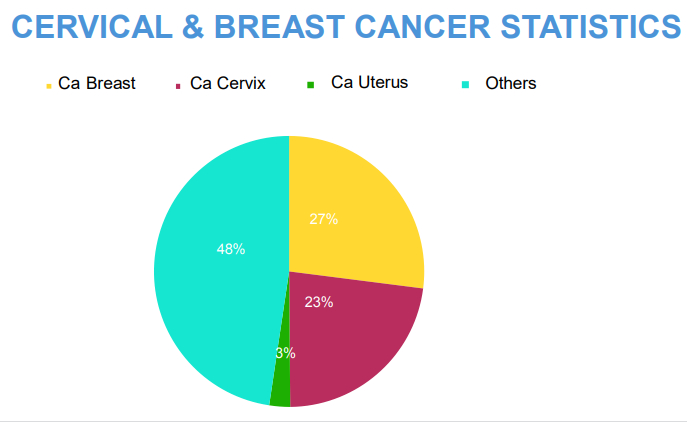
- Cervical cancer is the fourth most common cancer in women . An estimated 6,60,000 women diagnosed with cervical cancer worldwide and about 3,50,000 women died from the disease
- Cervical cancer is second most common cancer in india .Which constitutes 22.86% approximately 1,27,526 new cases are reported annually , with nearly 79,906 deaths in india [current mortality rate 62.6%]
- In india every 8 minutes one women succumbs to death.
- Almost all cervical cancer cases(99%) are linked to infection with high-risk HPV.
- When diagnosed , cervical cancer is one of the most successfully treatable forms of cancer , as long as it is detected early and managed effectively.
- With a comprehensive approach to prevent , screen and treat cervical cancer can be eliminated as a public health problem with in a generation.
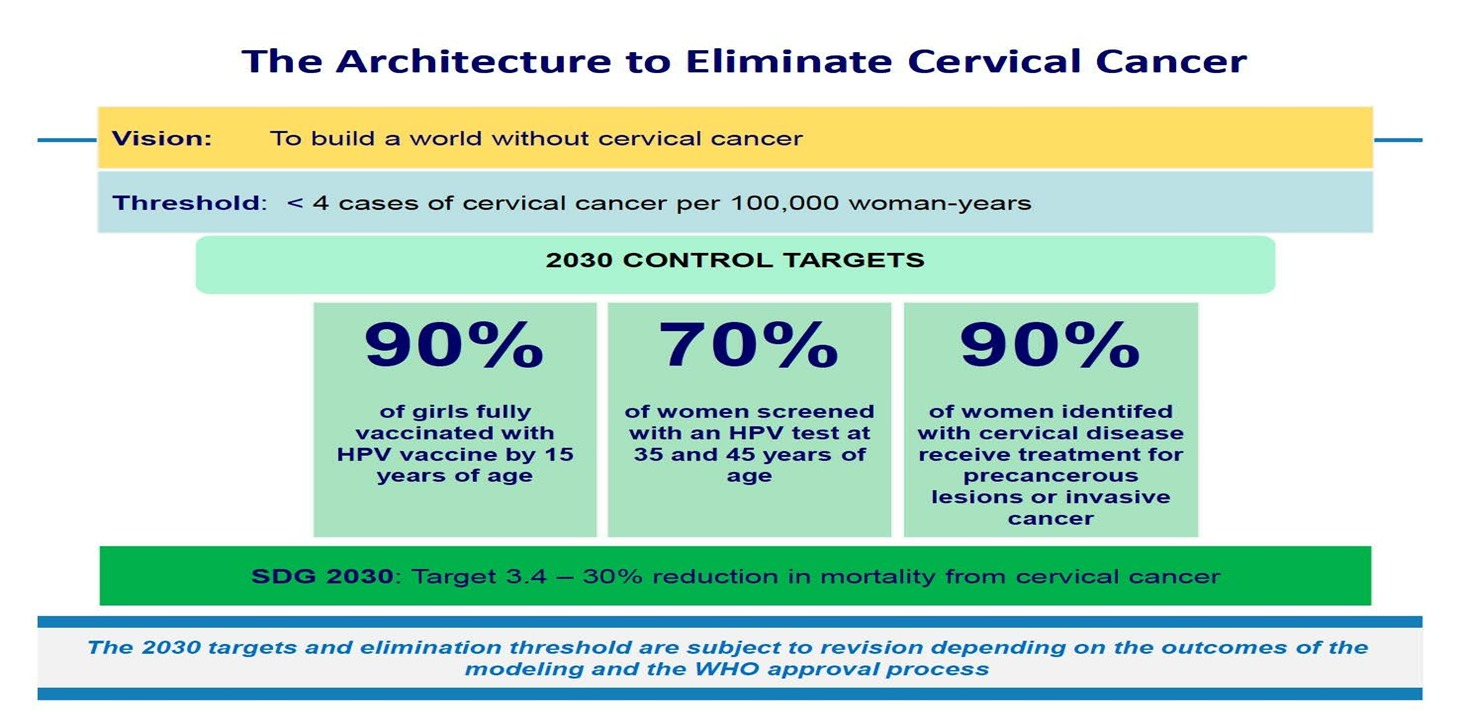
- Our aim is no woman should die from cervical cancer. We have the technical and medical approaches to eliminate it.
- Achieving 90‑70‑90 targets by 2030 we can reduce cervical cancer incidence rates 42% by 2045 and 97% by 2120, and also we can reduce cervical cancer related deaths: 300,000 by 2030, over 14 million by 2070 and over 62 million by 2120.
- In Bhargavi health care we will do cervical cancer screening through
– HPV – DNA Testing
– Colposcopy guided biopsy
- Cervical cancer develops in a woman's cervix[ entrance to the uterus from vagina ]
- Cervical cancer is the fourth most common cancer in women . An estimated 6,60,000 women diagnosed with cervical cancer worldwide and about 3,50,000 women died from the disease
- Cervical cancer is second most common cancer in india .Which constitutes 22.86% approximately 1,27,526 new cases are reported annually , with nearly 79,906 deaths in india [current mortality rate 62.6%]
- In india every 8 minutes one women succumbs to death.
- Almost all cervical cancer cases(99%) are linked to infection with high-risk hpv.
- When diagnosed , cervical cancer is one of the most successfully treatable forms of cancer , as long as it is detected early and managed effectively.
- With a comprehensive approach to prevent , screen and treat cervical cancer can be eliminated as a public health problem with in a generation.
- Our aim is no woman should die from cervical cancer. We have the technical and medical approaches to eliminate it.
- Achieving 90‑70‑90 targets by 2030 we can reduce cervical cancer incidence rates 42% by 2045 and 97% by 2120, and also we can reduce cervical cancer related deaths: 300,000 by 2030, over 14 million by 2070 and over 62 million by 2120.
- In Bhargavi health care we will do cervical cancer screening through
– HPV – DNA Testing
– Colposcopy guided biopsy